
Health
How TeleDoctor Visits Can Improve Access to Convenient Healthcare

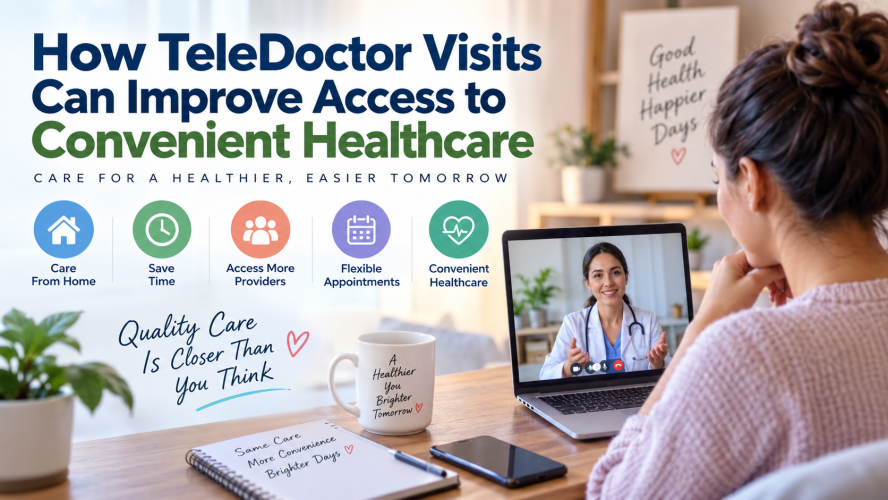
Need healthcare but don’t want to spend hours in a waiting room? TeleDoctor visits make it easier to connect with a healthcare provider from home. By using a phone, tablet, or computer, patients can discuss many common health concerns, receive medical guidance, manage follow-ups, and learn about their next care steps without unnecessary travel.
🩺 What Are TeleDoctor Visits?
TeleDoctor visits let you meet with a healthcare professional through a secure online appointment. Depending on the service, you may connect through video, phone, or another digital platform. The provider can review your symptoms, discuss your health concerns, and recommend appropriate next steps. You can often get medical guidance without visiting a clinic in person.
This approach is especially useful when an in-person examination is not necessary. For example, patients may use virtual care for common illnesses, medication discussions, follow-up visits, and certain minor health concerns. However, telehealth does not replace emergency care or every type of physical examination. The right option depends on your symptoms and medical needs.
📱 Why Convenient Healthcare Matters
Healthcare access is not always simple. Work schedules, transportation problems, childcare, long drives, and crowded clinics can make routine medical visits difficult. TeleDoctor appointments can remove some of these barriers by bringing healthcare services closer to the patient. Convenience can make it easier to seek care instead of putting it off.
A virtual appointment may also reduce the time connected with a routine visit. You can often join your appointment from a private place with an internet connection. This flexibility can be valuable for busy adults, caregivers, students, and people who have difficulty traveling. 😊
| Common Barrier | How TeleDoctor Visits May Help |
| Long travel time | Attend from home |
| Busy work schedule | More flexible appointment options |
| Transportation problems | No clinic trip required |
| Waiting rooms | Virtual check-in may save time |
| Follow-up appointments | Easier remote communication |
🏠 Get Medical Guidance From Home
One of the biggest advantages of telehealth is the ability to receive care from a familiar setting. Instead of arranging transportation and spending time at a medical office, you can prepare for an online consultation at home. This can make routine healthcare feel less disruptive. A simple appointment can fit more naturally into your day.
Before a TeleDoctor visit, write down your symptoms and any questions you want to ask. Have your medication list and relevant health information nearby. During the appointment, describe your symptoms clearly and explain when they started. These small steps can help make your virtual healthcare appointment more useful.
⏰ Save Time With Virtual Healthcare
Time is one of the most common reasons people delay healthcare. A traditional appointment may involve commuting, parking, checking in, waiting, meeting with the provider, and traveling home. A telehealth visit can remove several of these steps. As a result, patients may find routine healthcare easier to fit around work and family responsibilities.
This does not mean every virtual appointment will be quick. Some concerns still require detailed discussion or an in-person examination. Still, telemedicine can make appropriate healthcare visits more efficient when remote care is suitable.
🌎 Expand Access To Healthcare Providers
TeleDoctor services can also help connect patients with healthcare professionals beyond their immediate surroundings. This may be helpful for people living far from medical offices or areas with fewer healthcare resources. Instead of automatically traveling long distances, patients can ask whether their concern can be handled remotely. That extra option can make healthcare more accessible.
Virtual healthcare may also support continuity of care. A patient can communicate with a provider about an ongoing concern without always making another office trip. Depending on the provider and state rules, telehealth may support consultations, follow-ups, care coordination, and other services.
💻 Make Routine Care More Flexible
Healthcare needs do not always happen between nine and five. People may notice symptoms while working, studying, traveling, or caring for family members. Online healthcare can offer appointment options that better fit different schedules. This flexibility can encourage people to address concerns earlier.
TeleDoctor visits can be particularly convenient for routine medical needs. Examples may include:
- Follow-up consultations
- Medication-related discussions
- Certain common illnesses
- General health questions
- Some minor health concerns
- Care-plan discussions
- Routine check-ins
The provider decides whether virtual care is appropriate. If you need testing, imaging, or a physical examination, you may still need an in-person appointment.
🔐 Protect Privacy During Online Medical Visits
Privacy is an important part of any healthcare experience. Patients should use a private location when discussing personal health information. They should also use the healthcare provider’s official platform and follow recommended security steps.
Before scheduling a virtual medical appointment, check how the service handles patient information. A reputable telehealth provider should explain its privacy and security practices clearly. Avoid discussing sensitive medical information through random or unsecured platforms.
🧑⚕️ Know When Telehealth Is The Right Choice
Telehealth is convenient, but it is not appropriate for every medical situation. Some symptoms require a hands-on examination, laboratory testing, imaging, or urgent treatment. A virtual provider can help determine whether you need additional care.
Seek emergency medical attention for serious or potentially life-threatening symptoms. Examples may include severe breathing problems, signs of a stroke, serious injuries, or severe chest pain. 🚨 When a medical emergency may be happening, do not wait for a telehealth appointment.
| Situation | Possible Care Option |
| Routine follow-up | TeleDoctor visit may work well |
| Medication discussion | Virtual consultation may help |
| New mild symptoms | Provider can assess remotely |
| Need for physical examination | In-person care may be needed |
| Serious emergency symptoms | Emergency medical care |
📝 Prepare For A Better TeleDoctor Appointment
A little preparation can make a virtual visit smoother. Start by writing down your main concern in one or two sentences. Include when your symptoms began and whether they have changed. Also prepare a list of medications, allergies, recent medical visits, and questions.
During the appointment, answer questions honestly and ask for clarification when something is unclear. If the provider recommends an in-person visit, testing, or another form of care, follow that advice. Good communication is just as important online as it is in a traditional medical appointment.
Try this simple preparation checklist:
- Test your internet connection.
- Charge your device.
- Find a quiet, private space.
- Keep your medication list nearby.
- Write down your symptoms.
- Prepare your questions.
- Follow the provider’s instructions after the visit.
💰 Can Telehealth Reduce Healthcare Burdens?
Telehealth can reduce some non-medical burdens associated with routine healthcare. Patients may spend less time traveling and may avoid transportation costs. People may also find it easier to attend follow-up appointments when they do not need to arrange an entire trip.
However, cost savings vary by provider, insurance plan, location, and type of appointment. Some services may have different pricing for virtual and in-person care. Always check the appointment cost and insurance coverage before your visit.
🔄 Improve Follow-Up And Ongoing Care
Healthcare often involves more than one appointment. A provider may need to check whether symptoms improved, discuss test results, adjust a care plan, or answer questions after treatment. TeleDoctor visits can make some of these follow-ups easier to manage.
This convenience may help patients stay connected with their healthcare team. Instead of delaying a routine follow-up because of travel or scheduling problems, patients may have another option. Regular communication can support better continuity of care when telehealth is medically appropriate.
| Telehealth Benefit | Patient Advantage |
| Remote appointments | Less travel |
| Flexible scheduling | Easier routine care |
| Virtual follow-ups | Better convenience |
| Digital communication | Simple care coordination |
| Provider assessment | Clearer next steps |
⭐ What Makes TeleDoctor Care Patient-Friendly?
Good telehealth is about more than simply putting a doctor online. The experience should be easy to understand, convenient to access, and focused on the patient’s needs. Patients should know how appointments work, what services are available, and what happens if virtual care is not enough.
A strong telehealth experience should provide clear communication from scheduling through follow-up. It should also make it simple for patients to understand their care instructions. Convenience matters most when it supports safe, effective, and patient-centered healthcare.
🚀 The Future Of Convenient Healthcare
Digital healthcare continues to give patients more ways to connect with medical professionals. TeleDoctor visits are one part of this broader shift toward flexible healthcare access. As technology improves, virtual consultations may become even easier to integrate with other parts of healthcare.
Still, technology should support—not replace—appropriate medical care. The goal is not to make every appointment virtual. Instead, it is to give patients another practical way to access healthcare when remote care is suitable.
💡 Conclusion: Making Healthcare Easier To Access
TeleDoctor visits can make healthcare more convenient by reducing unnecessary travel, saving time, and offering flexible access to healthcare providers. They can be useful for routine consultations, follow-ups, medication discussions, and certain common health concerns. They may also help people overcome transportation, scheduling, and distance-related barriers.
The key is knowing when virtual care is appropriate. Telehealth works best when convenience and medical safety go together. If you are unsure whether your concern can be handled online, a healthcare provider can help determine the right type of care.
❓ Frequently Asked Questions
Can TeleDoctor Visits Replace In-Person Care?
Not always. Some conditions require a physical examination, testing, or treatment at a medical facility. Your provider can recommend in-person care when necessary.
How Do Online Doctor Visits Work?
You schedule an appointment and connect with a healthcare provider through an approved platform. You discuss your symptoms and health concerns during the visit. The provider then explains appropriate next steps.
Is Telehealth Good For Routine Care?
Yes, telehealth can be useful for many routine healthcare needs. Follow-up visits, medication discussions, and certain mild health concerns may be suitable. Your provider determines whether virtual care is appropriate.
What Should I Prepare For Telehealth?
Keep your medication list, allergies, symptoms, and questions ready. Choose a quiet and private location for your appointment. Also make sure your device and internet connection are working properly.
Can Telehealth Save Time And Travel?
Often, yes. You may avoid commuting, parking, and time spent waiting at a clinic. However, some medical concerns will still require an in-person visit.

How TeleDoctor Visits Can Improve Access to Convenient Healthcare

Hand Neck Massager Guide for Pain Relief and Comfort

Smart Hand Massager Buying Guide: Ultimate Comfort Bliss

Fragrance Free Deodorant Spray: Powerful Fresh Confidence
